Best Roof Coating Types for Metal Buildings in Alberta Climates

Feb 12, 2026
By
Jamie Unruh

Metal roofs are known for their durability and reliability, andadding a coating just reinforces a metal roof’s longevity.

There are multiple types of coatings for metal roof membranes, butin Alberta’s climate, silicone or acrylic coatings are typically used.

Acrylic coatings haven’t been as successful in our climate as ithas been for our neighbours to the south because acrylic is water based. Incolder temperatures it can harden and crack, thus losing its adhesionproperties. Acrylic also needs warmer temperatures to cure properly.

Both acrylic and silicone coatings are applied the same way(although acrylic needs an additional primer layer), but silicone is more common because, well, we know it works. It’s a really good product. It stands up to UV rays and water extremely well, and it adheres to almost any surface as long as it was prepped properly.

Step by Step = Perfect

One of the most important things to consider when it comes to coating an old metal roof is adhesion, and in order to ensure that it sticks well, the preparation of the roof is equally important.

Older roofs have been exposed to the elements for years. It might be covered in dust, dirt, and other debris. A silicone coating won’t stick well to a surface that’s covered in gunk. That is why the preparation of metal roofs is important.

In addition to being clean, the surface of a metal roof needs to be dry. So, while just about any temperature will suffice to install the coatings, morning dew or frost can delay the installation because crews need to dry the surface before they can begin.

Once clean and dry, the next step is all about the details.

All the exposed screws and metal membrane overlaps need to bepretreated or reinforced with what’s called a mastic grade coating. The masticlayer is like caulking; it’s thicker than the main grade that is used as thetop layer. This mastic layer ensures that the most vulnerable parts of the roof are reinforced prior to installing the main layer of silicone.

The main grade silicone is the final layer. This product is spreadable, like thick paint. This step is usually applied swiftly by sprayers and rollers.

Getting Your Roof in Tip Top Shape, No Matter the Shape of It!

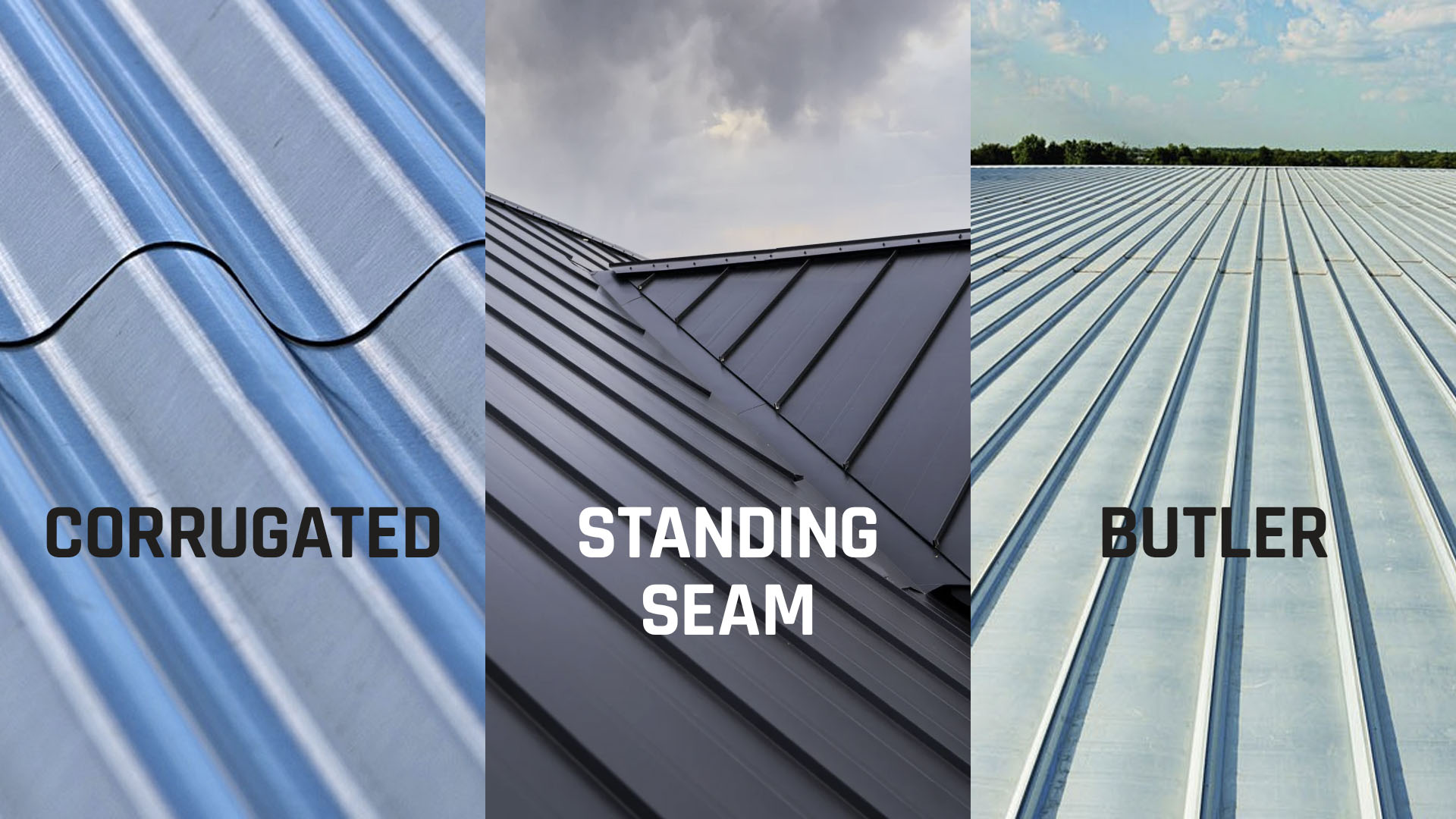
There are a few different profiles of metal roofing systems. There’s the common wave-like, or corrugated roof, the standing seam roof, and the butler roof.

The standard corrugated roof is typical of shops or industrial buildings mainly because it’s the least expensive product to install. This roof style is lightweight and durable.

The standing seam roof comes in broad, flat panels with a higher rib on the edges sticking up about 2.5 inches that curl over to overlap with the next panel. These are usually seen on higher end industrial or manufacturing buildings. The purpose of the higher edge is that it would be above the water that might pile up on the roof

A butler roof is similar to thestanding seam roof but with a slightly different profile and uses clips toconnect the panels.

Despite the shape differences, the roofing systems are treated similarly, and coatings are still applied using the silicone product, but how it’s applied is approached differently as each type of roof will have different details to consider.

Climate Concerns? Not Much, With Silicone

When it comes to outside temperature, if it’s above 0°C, roof coatings can be installed at almost any time of year. It’s worth noting that the silicone does take longer to cure the colder it gets.

Heat isn’t a factor that affects the silicone installation, in fact, the hotter the better.

Simple to Install and to Replace

A silicone coated roof can last 10 to 15 years, sometimes as longas 20 to 25 if the product is applied thicker, but that will come down to the manufacturer’s minimum requirements and their warranty.

The great thing about metal roof coatings is that when it comes time to replace, it’s a pretty simple task. It’s a matter of cleaning up the old coating (usually an aggressive pressure wash), drying it off, fixing any loose parts, and reapplying the coating.

Like most jobs, the amount of time it takes to complete depends onthe size of the area.

In a typical job, Beyond Group can average between 7,000 to 10,000square feet a day with a full crew.

Of course, that can vary due to how complicated the roof is and how many obstacles on the roof the crew has to navigate around.

Make No Mistakes, Have a Pro Give it a Shake

Ultimately, to ensure a successful metal roof coating installation, everything relies on proper prep work of cleaning, drying, and reinforcement(mastic coatings) to ensure there’s no issues down the road. Applying the appropriate coating is key as well.

Unfortunately, we’ve seen a few coating jobs by other companies and do-it-yourselfers go awry. Using the wrong liquid membranes or coatings is the most common mistake, but sealing suspected leak spots with asphalt-based coatings bought at a local hardware store is another blunder we see often. Asphalt-based coatings use solvents to create a seal, and those solvents are susceptible to UV rays. Exposure to UV will essentially cook the solvents and after a few years they will dry out, crack and flake away.

Having professionals on site that will appropriately inspect your roof and recommend a proper solution saves a lot of hassle down the road.

Have more questions or want to find out if your metal roof is eligible for a protective coating? Get in touch with us today!

back to stories