Life in Calgary is good. We’ve got the gorgeous mountains to the west and golden prairies to the east. We’ve got hot summers and, yes, cold winters, but with the benefit of reprieve from the chill with the rolling chinooks.
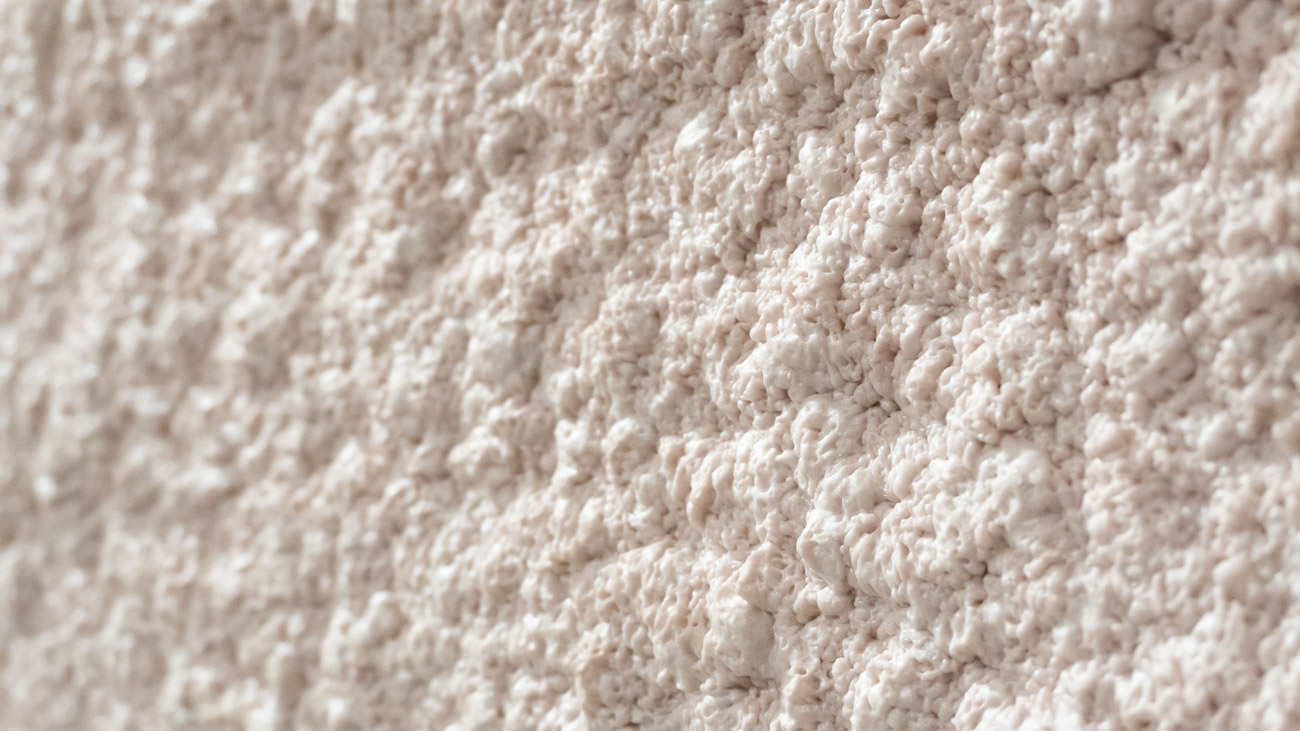
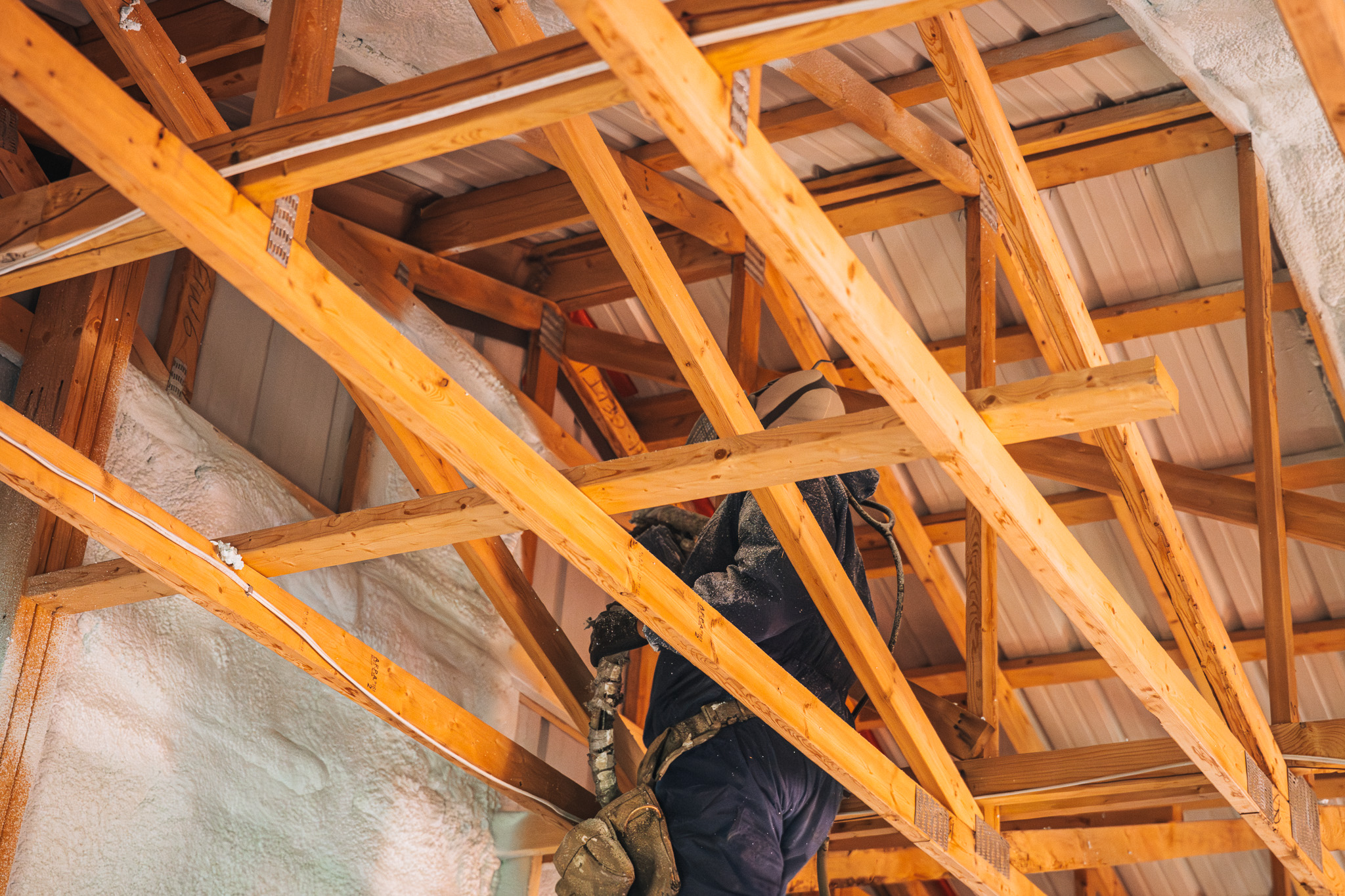
While the occasional warm wind is lovely, the freeze thaw cycle it brings can also wreak havoc on your insulation if it’s not up to par, and that’s where considering spray foam as an insulator is becoming more common.
In typically colder climates like ours, the chinook phenomenon can create frost or moisture issues in traditional insulation spaces like fiberglass, but spray foam eliminates those issues.
Spray foam has a great reputation as a product, but not so great when it comes to cost. The price tag can be a shock at first glance, so let’s break down the numbers and find out what’s involved.
First, let’s talk about R-values. This is important to know as this is the measure of thermal resistance, which tells how well the heat is kept in or out of a building – the higher the number, the better the insulation is working.
Different zones in Alberta will have different building code requirements regarding what R-value is needed.
When constructing a new home, every aspect of the building will have an R-value assigned. For example, cantilevers (a support beam or truss that extends past the wall) will need enough foam to create an R28.
Attics will need to be R50 to R60. Exterior Walls R20 to R24, depending on how they are framed.
For new builds, walls are typically assigned an R-value from R 22-24.
A renovation in an established home will need an R-value of R 12-24. This number is lower because it’s either grandfathered into the building code or because the framing hasn’t changed. Older homes typically have 2x4 framed walls, and projects are sometimes required to thicken the frame to meet the new insulation codes or to better fit the new insulation. New homes have 2x6 framed walls, allowing for more space for insulation, thus requiring a higher R-value.
It’s good to note that there are two types of spray foam, and each is priced differently as they are used for different areas of the home.
Closed-cell foam is more expensive just because it's a much better product. It’s more dense and best for creating a moisture vapour barrier. Closed-cell is generally used for exterior walls and attics.
It’s good to note that there are two types of spray foam