Is Old Attic Insulation Dangerous? Here’s What You Should Know

Feb 10, 2026
By
Jamie Unruh

It’s not often homeowners are in their attics. Unless it’s built for storage, there’s really no reason other than roof repairs to go up and have a looksee. And thinking about attic insulation is probably not on the forefront of a homeowner’s mind unless they suspect a concern or hear noises above.

One of the first things that comes to mindwhen thinking about an attic space might be: is the insulation dangerous?

The short answer is: it depends.

Asbestos

Asbestos is the biggest insulation danger. Asbestos containing vermiculite can be found in walls and other areas of a home, but it’s also commonly found in attics as insulation.

Asbestos was added to many construction materials as a binding agent until it was discovered to cause cancer. It is no longer allowed to be used in any setting, but asbestos remains in many older homes. When it is disturbed, asbestos becomes airborne and can settle in the lungs, thus causing disease.

It was used in Calgary beginning in the 1950s all the way through to the early 90s.The “hot” zone of when it was used most was during the 1960s and 70s. Calgary was booming during those years and because it’s a big city with millions of homes, asbestos is a common find in attics. Our team at Beyond sees asbestos quite often. That’s why we are grateful for our friends at Wise Abatement whom we turn to deal with the removal of this dangerous product. Wise Abatement and several other local asbestos removal companies are kept very busy dealing with this type of work every day.  

Mold and Moisture

Some insulation products will absorb water present in an attic which is a normal part of insulation’s job, but when there’s too much water it becomes a problem. Excess moisture or lack of ventilation can create mold which can become dangerous.

Mold can also build up over time from insulation not being properly installed or too much humidity.

If you see or suspect mold in your attic, call a professional to have a look and discern if it needs to be rectified.

Dust and Bothersome Fibers

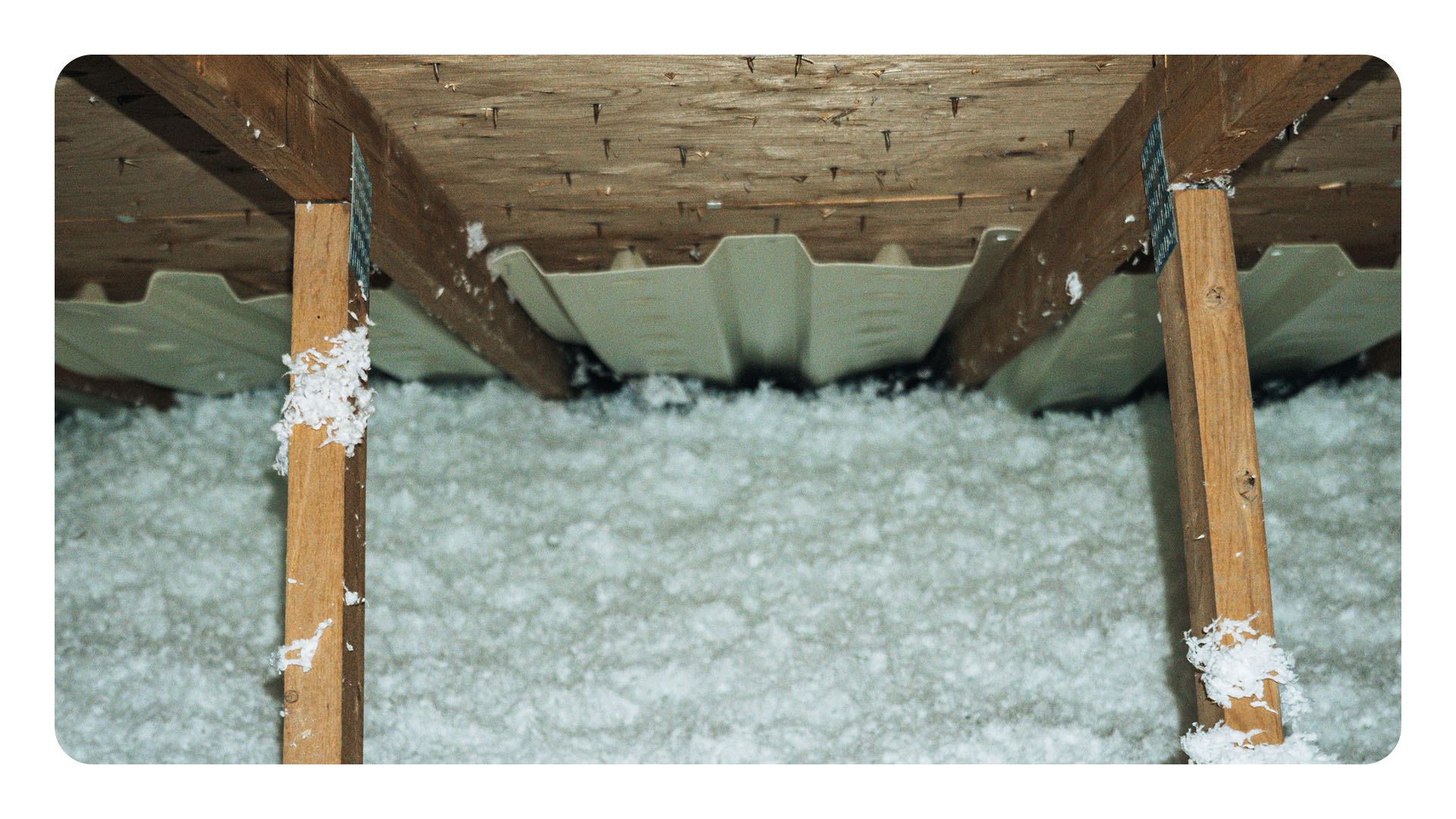
Fiberglass loose fill and cellulose insulation while not dangerous, can be irritating, especially when it’s being moved around.

Both of these products can cause general respiratory discomfort, causing a cough or a tickle in your throat, but neither are immediately dangerous.

Cellulose insulation is naturally a sooty material and makes an attic quite dusty during installation (or if you’re playing in it, which, I mean ... don’t do that), but once it settles  it doesn't cause any irritation.

Fiberglass insulation is actually classified as a nuisance fiber. It’s a lighter substance that when disturbed, will release those bothersome fibers into the air that can be breathed in and can cause respiratory or skin irritation.

Unless there’s an immediate concern, it’s best to not enter your attic and agitate the insulation. Calling a pro is a better plan.

"if you’re playing in it, which, I mean ... don’t do that"

To Tolerate or Not to Tolerate

It's interesting to note that some people seem to have varying levels of tolerance to irritating insulation fibers.

Some people can't handle it at all, while others don’t notice any difference. That said, those with asthma or other respiratory conditions will likely be more sensitive to these environments and exacerbate existing medical issues.

Unusual Finds

Before insulation became the norm, people would use all kinds of things to try and keep their homes warm.

Wood chips were a common substance used, and in some instances are still installed today. However, while not an immediate threat to people’s health, wood chips can be a fire hazard.  

Other strange materials that have been found used as insulation have been horsehair, untreated sheep's wool straight from the animal, straw, old clothing, and newspapers – which is pretty cool to see if it’s quite old.

At the end of the day, if you’re unsure what lurks in your attic space, approach it with caution in case what you find doesn’t fall under any category covered in this blog. At Beyond, we’re always glad to lend a hand and discuss any concerns about attic dangers.

back to stories