Loose Dirt, Design Divert
Unstable soil is when the ground under a structure can't hold its shape or support weight over time.
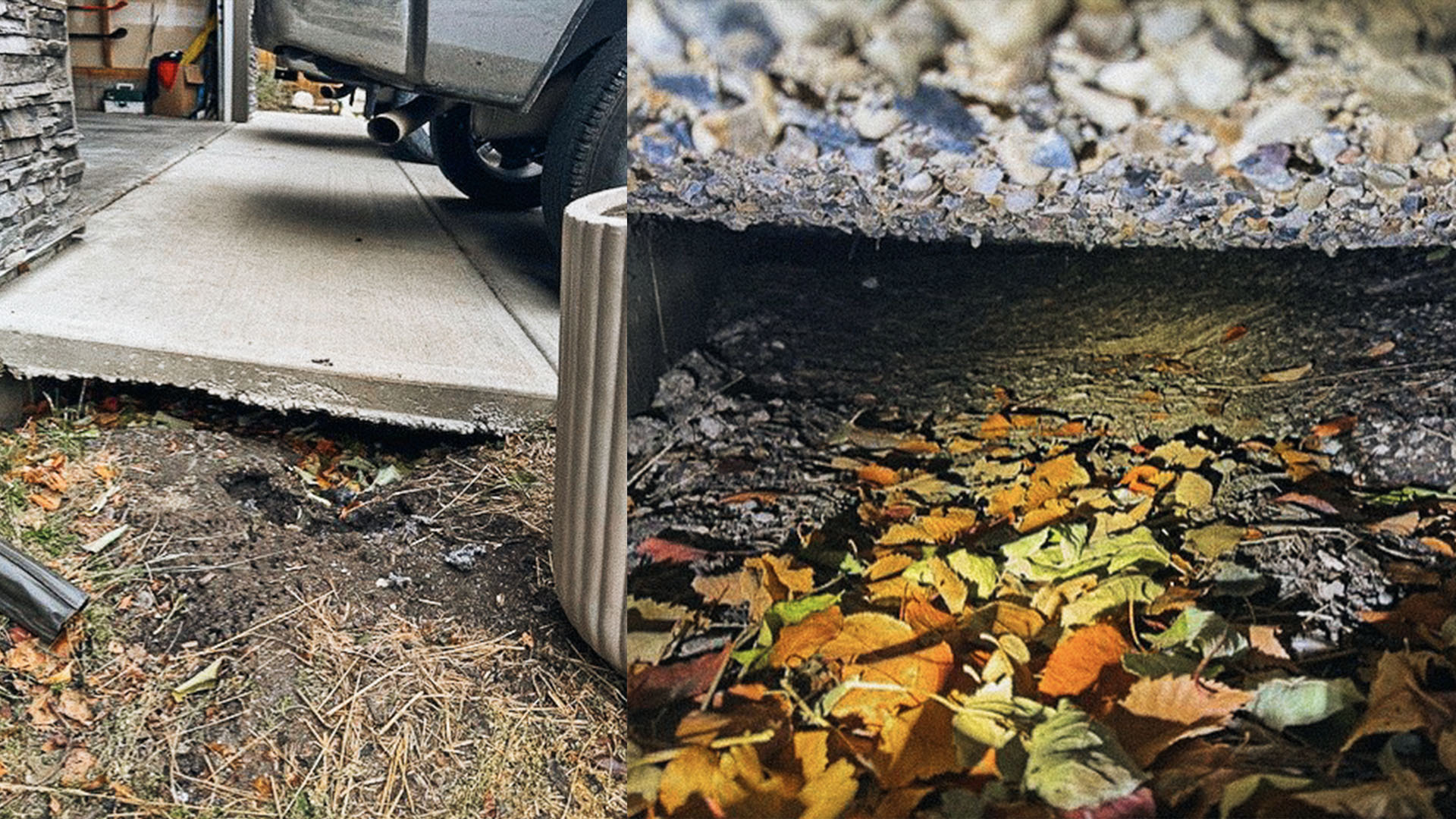
Unstable soil that shifts over time can lead to settling and cracking ultimately causing irreparable damage.
Foundations, wood framing, concrete slabs, these are just some examples of things that are damaged if the soil around them is not stable.
So, what causes soil instability? There are three common sources that our team at Beyond see often: poor compaction, water erosion and freeze-thaw cycles.
1. Poor Compaction Leads to Fractions
Not compressing the soil properly before laying down concrete or other structures is the most common issue that causes soil instability. Poor compaction eventually causes settlement because it keeps compressing itself and shifting around.
2. Erosion Implosion
Often caused by improperly placed downspouts, the constant presence of water can eventually erode the soil along a driveway or house foundation.
Drainage issues or even flooding can wreak havoc on soil. As one of our team members said, water is the giver of life, but the destroyer of property.
3. Swell and Shrink on the Brink
Constant expansion and contraction of soil from freeze and thaw weather cycles are another cause of soil instability. The Calgary area is mostly made up of heavy clay soil which can hold a lot of moisture. And so, every time those clay soils expand and contract, it creates a swell and shrink effect that shifts the dirt around.
What’s In the Dirt?
The content of the soil can also have an impact on soil instability.
If the ground is made up of a lot of organic material, then there can be some decomposition. The dirt breaks down leaving voids behind and again causing instability.
If the soil is needing to be compacted is heavily contaminated or if it’s full of leaves, mulch, rotten branches. it's usually best just to remove and replace it with something new.
How Can Polyurethane Foam Help?
Back in the day, if the soil is causing a problem with a structure, crews would often come in to excavate the area and replace and re-compact the dirt. Today, we have polyurethane foam to make that job much easier and shorter!
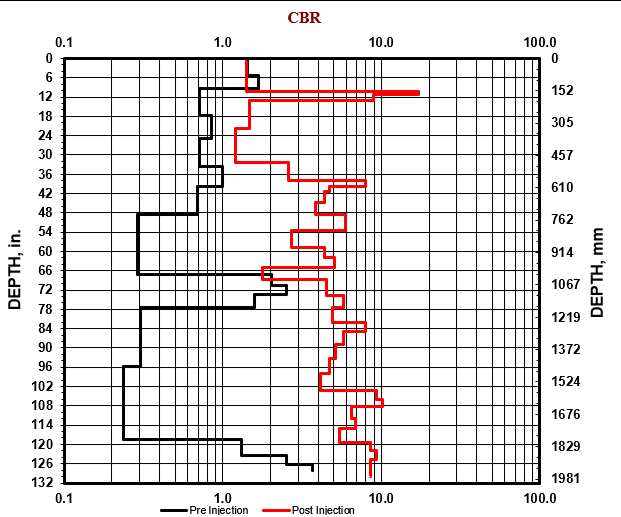
Injecting foam into a void or shifting soil area and allowing the expansion of the foam to compact the area, saves the headache of compacting dirt from the top down or putting in feet of material at a time than compacting it.
Polyurethane foam is immobile once it’s set. It is also water resistant, making it a pretty great material for compacting dirt and discouraging water erosion.
The foam used in soil stabilization situations is a hydrophobic foam which can't be compromised by the water of the soil. In fact, it is very stable in a moist environment. If one were to inject hydrophobic foam into a pail of water, it would create perfect foam. Whereas other foams might turn mushy until the water was displaced by the volume of foam going into the bucket.
Hydrophobic foams work really well when the ground freezes too. When it starts to get cold, the moisture in the dirt grows larger as it freezes, thus expanding the area. If injected with foam, the area tightens up the soil, preventing water from getting in, in the first place, disallowing that expansion of solid water.